The Next Wave of Ceramic Tiles: What Global Buyers Should Watch
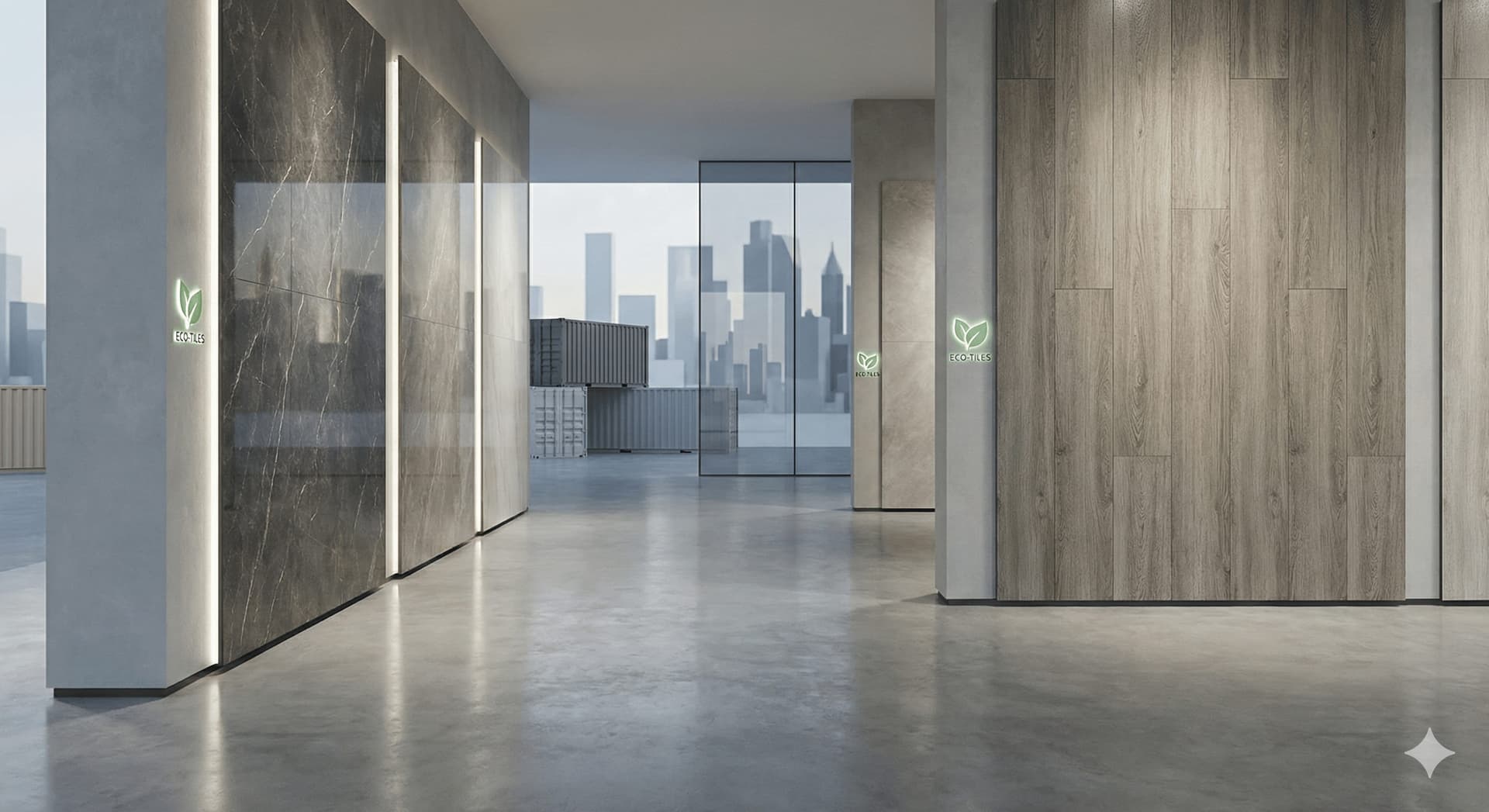
The ceramic tile industry is evolving faster than ever. What once revolved around basic sizes and simple finishes is now being reshaped by technology, design innovation, sustainability demands, and changing lifestyles.
For global buyers, this evolution presents both opportunity and risk. Those who anticipate trends early gain market advantage. Those who react late struggle with outdated inventory.
This article explores the next wave of ceramic tiles and what international buyers should be watching closely.
1. Rise of Large-Format and Slab-Style Tiles
Large-format tiles are no longer niche—they are becoming mainstream.
Buyers are increasingly demanding:
- 600×1200 mm and above
- Seamless visual surfaces
- Minimal grout lines
These formats are popular in modern residential and commercial projects.
Annotation:
Larger tiles demand stronger packing, precise calibration, and careful handling.
2. Hyper-Realistic Digital Printing
Tile aesthetics are becoming indistinguishable from natural materials.
Advancements in digital printing now allow tiles to replicate:
- Natural marble veins
- Wood grain textures
- Concrete patterns
- Stone imperfections
This reduces reliance on natural materials while delivering consistent quality.
Annotation:
In premium markets, visual realism matters as much as physical performance.
3. Sustainability as a Purchase Criterion
Sustainability is no longer a marketing add-on—it’s a buying requirement.
Buyers increasingly ask about:
- Eco-friendly production
- Energy-efficient firing
- Waste reduction
- Long lifecycle durability
Markets with strong green regulations are especially sensitive to this shift.
4. Growth of Functional Surfaces
The future of tiles is not just about looks—it’s about performance.
Functional innovations include:
- Anti-slip finishes
- Anti-bacterial surfaces
- Stain-resistant glazes
- Easy-clean coatings
These are especially important for hospitals, hotels, and public spaces.
Annotation:
Functionality is becoming a key differentiator in commercial markets.
5. Expansion of Outdoor and Climate-Specific Tiles
With more outdoor living spaces, rooftop gardens, and semi-open architecture, demand for climate-resistant tiles is growing.
Key features include:
- UV resistance
- Thermal stability
- Non-slip textures
- Moisture tolerance
6. Customization and Private Label Growth
Buyers increasingly want products that reflect their brand identity.
This includes:
- Custom designs
- Private labeling
- Market-specific collections
This trend is especially strong among distributors and retailers building their own brands.
Annotation:
Customization strengthens buyer loyalty and reduces price competition.
7. Thinner, Lighter, and Stronger Tiles
Material science is enabling tiles that are:
- Thinner
- Lighter
- Stronger
This reduces shipping weight, improves handling, and lowers installation costs.
8. Smart Logistics Integration
Future-focused buyers look beyond the product.
They expect:
- Better container utilization
- Optimized packing systems
- Predictable lead times
- Transparent tracking
Annotation:
Logistics is becoming part of the product experience.
9. Regional Trend Divergence
Global trends are not uniform.
Some regions prioritize:
- Luxury finishes
- Bold textures
- Large formats
Others focus on:
- Durability
- Price efficiency
- Standardized designs
Smart buyers adapt trends to local realities.
10. Why Early Adoption Matters
Being early matters.
Early adopters:
- Capture higher margins
- Position themselves as innovators
- Build brand authority
Late adopters compete on price alone.
Final Thought
The next wave of ceramic tiles is not about one trend—it’s about transformation.
From larger formats and digital designs to sustainability and functional surfaces, the industry is moving toward smarter, more specialized products.
Global buyers who stay informed don’t just follow the market—they shape it.
Conclusion
The ceramic tile market is entering a new phase defined by technology, design realism, performance innovation, and environmental responsibility. Buyers who understand these shifts early will protect margins, delight customers, and stay ahead of competition.
In the next wave, knowledge is the real advantage.