International Geopolitical Tensions Affect Ceramic Tile Exports
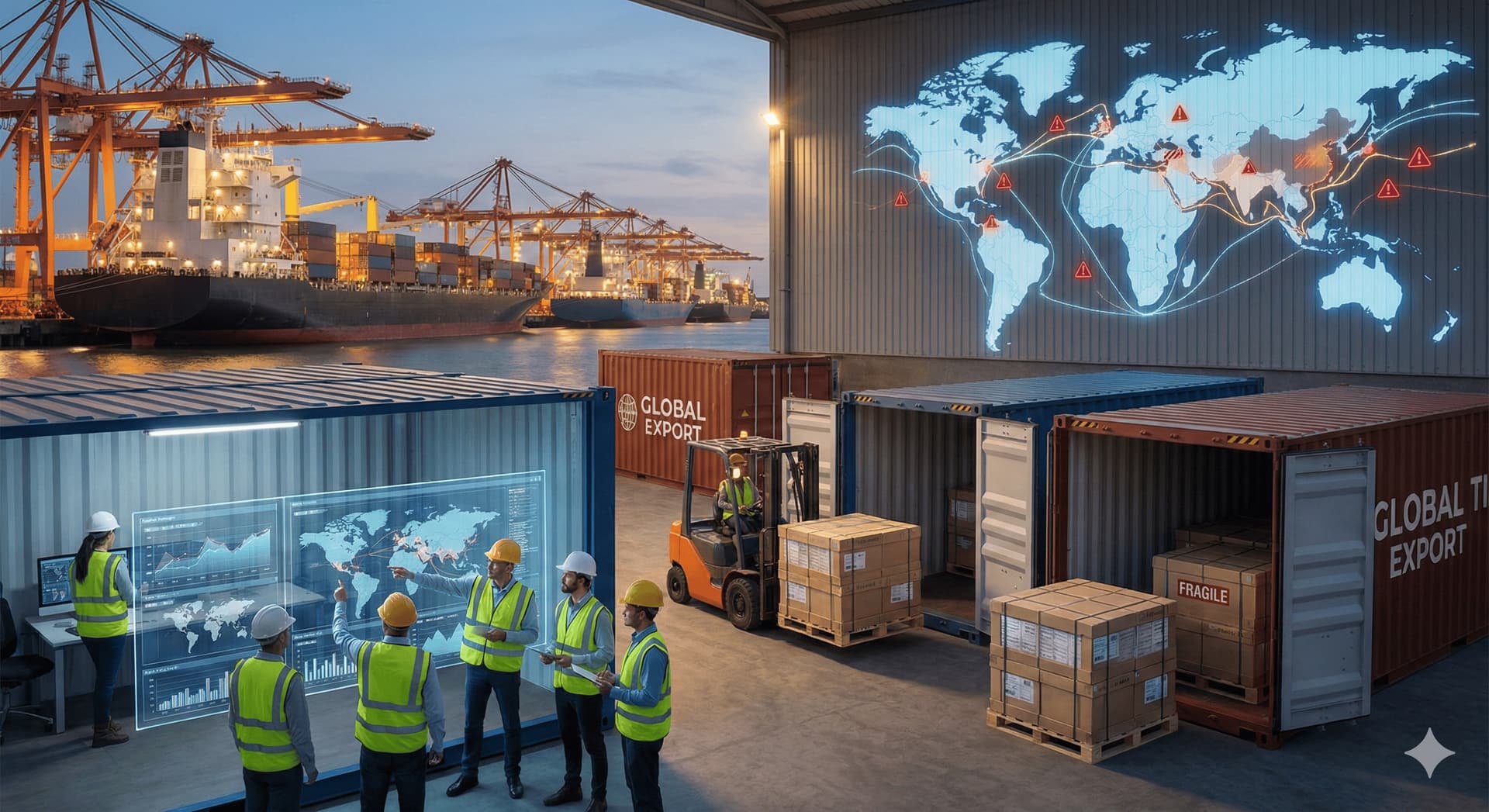
Global trade does not operate in isolation. It is deeply influenced by political relationships, economic alliances, and regional conflicts. For the ceramic tile export industry—where supply chains, shipping routes, and currency flows are interconnected—geopolitical tensions can directly impact profitability, stability, and growth.
Let’s explore how global political dynamics shape the tile export business.
Understanding Geopolitical Tension in Trade
Geopolitical tension refers to conflicts or strained relationships between countries that affect trade policies, logistics, and financial systems.
Annotation:
Examples include trade wars, sanctions, territorial conflicts, and diplomatic restrictions.
Even when ceramic tiles themselves are not directly targeted, the ripple effects of such tensions influence the entire export ecosystem.
1. Disruption in Shipping Routes
One of the first impacts of geopolitical tension is on global shipping lanes.
When conflicts occur near key maritime routes:
- Freight paths get diverted
- Transit time increases
- Insurance premiums rise
For exporters, this leads to:
- Higher freight costs
- Delayed deliveries
- Uncertain shipment schedules
Example:
If a major shipping corridor becomes unsafe, containers may need to take longer routes, increasing cost per shipment.
2. Increase in Freight and Logistics Costs
Global uncertainty raises operational risks for shipping companies.
This results in:
- Higher ocean freight rates
- Increased port handling charges
- Additional security costs
Since ceramic tiles are heavy and volume-based products, freight cost is a significant component of total price.
Business Impact:
Even a small increase in freight can reduce competitiveness in price-sensitive markets.
3. Currency Fluctuations and Payment Risk
Geopolitical instability often affects currency values.
For exporters, this creates:
- Exchange rate volatility
- Payment uncertainty
- Delays in international remittances
Annotation:
Forex (Foreign Exchange) refers to currency conversion between trading countries.
A weakening currency in the buyer’s country can reduce their purchasing power, affecting order volumes.
4. Trade Barriers and Tariffs
Political tensions can lead to:
- Import duties
- Anti-dumping duties
- Trade restrictions
These measures directly increase the landed cost of tiles in the destination market.
Example:
A sudden increase in import duty can make previously competitive products unaffordable for buyers.
5. Supply Chain Disruptions
Ceramic tile production depends on:
- Raw materials
- Energy supply
- Packaging inputs
Geopolitical tensions can disrupt:
- Fuel availability
- Raw material imports
- Manufacturing timelines
This affects the exporter’s ability to fulfill orders consistently.
6. Shift in Global Demand Patterns
When tensions rise between two major trading countries, importers start looking for alternative sourcing markets.
This creates new opportunities for other exporting nations.
Market Behavior Insight:
Buyers prefer stable supply partners during uncertain times, even if prices are slightly higher.
This is how some countries gain market share when others face political or trade restrictions.
7. Financial and Banking Restrictions
Sanctions or strained diplomatic relations can restrict:
- International banking channels
- Letter of Credit (LC) operations
- Dollar-based transactions
Annotation:
Letter of Credit (LC) is a bank guarantee used in international trade to ensure payment security.
When banking systems are affected, even confirmed orders can get delayed or cancelled.
8. Insurance and Risk Premiums
During geopolitical instability:
- Marine insurance costs increase
- Risk premiums are added
- Cargo coverage becomes stricter
These additional costs are ultimately borne by exporters or importers.
9. Increased Competition from New Regions
When traditional exporters face restrictions, new countries enter the market aggressively.
For example:
- If one country faces sanctions, buyers shift to other suppliers
- New exporters offer competitive pricing to capture market share
This intensifies competition in global markets.
10. Strategic Shift Toward Regional Trade
Due to global instability, many importers shift to regional or nearby suppliers to reduce risk.
This benefits exporters who are:
- Geographically closer
- Politically stable
- Logistically efficient
The Economic Reality for Tile Exporters
Ceramic tiles are a price-sensitive, bulk product. This makes the industry highly vulnerable to even small changes in:
- Freight cost
- Currency exchange
- Import duties
- Delivery timelines
Core Insight:
In tile exports, geopolitical tension doesn’t just affect politics—it directly affects margins, pricing, and competitiveness.
How Smart Exporters Manage Geopolitical Risk
Experienced exporters do not rely on one market or one route. They build risk-resilient systems.
Diversified Market Strategy
They export to multiple countries to reduce dependency on one region.
Flexible Logistics Planning
They work with multiple shipping lines and routing options.
Currency Risk Management
They track forex trends and use hedging strategies when needed.
Strong Buyer Relationships
They build trust so buyers continue purchasing even during unstable periods.
Inventory and Production Planning
They maintain buffer stock and flexible production scheduling.
Turning Challenges into Opportunity
While geopolitical tensions create risk, they also open doors.
Exporters who are:
- Stable
- Reliable
- Logistically efficient
often gain new market share when competitors face disruptions.
Final Thought
International trade is a dynamic system shaped by both economics and politics.
For ceramic tile exporters, geopolitical tensions are not distant global events—they are direct business variables affecting cost, delivery, and demand.
The exporters who succeed are not those who avoid risk—but those who anticipate, adapt, and diversify.
In a world of shifting alliances and uncertain trade routes, the real competitive advantage is resilience and strategic flexibility.