How War Situations Impact the Ceramic Tile Industry Worldwide
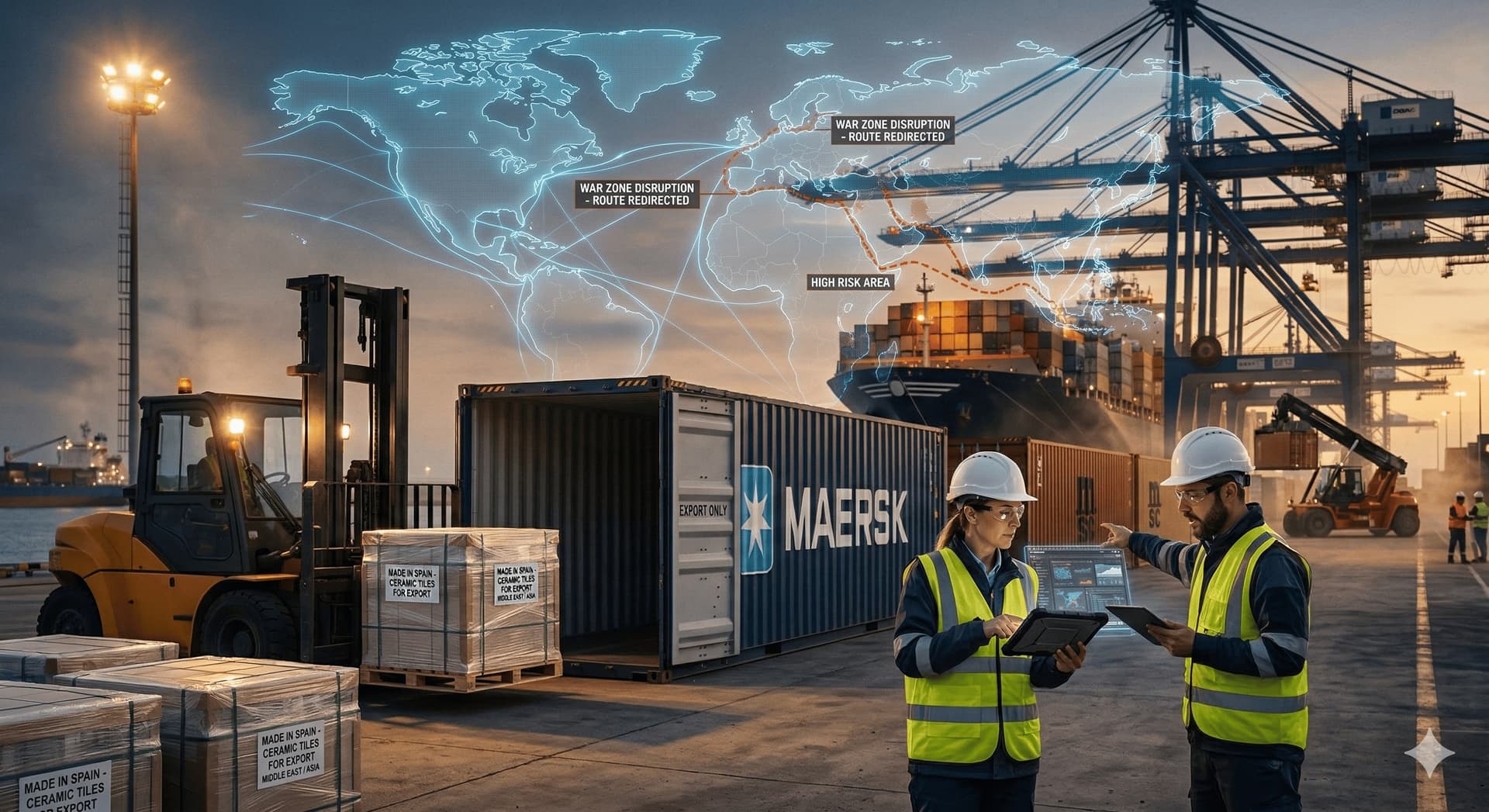
The ceramic tile industry might seem far removed from global conflicts. After all, tiles are used for homes, hotels, malls, and offices—not battlefields. Yet the reality of international trade is that war and geopolitical conflicts can strongly influence industries that rely on global supply chains, including ceramic tiles.
From rising energy costs to disrupted shipping routes, wars can reshape how tiles are produced, priced, and traded across the world.
Let’s explore how war situations affect the ceramic tile industry globally.
War and Global Trade: The Hidden Connection
Modern industries depend on interconnected global systems. Raw materials may come from one country, manufacturing from another, and consumption from dozens of markets.
When war breaks out, these connections get disturbed.
Annotation:
Global Supply Chain refers to the network of production, transportation, and distribution that moves goods from manufacturers to consumers worldwide.
Because ceramic tiles are heavy products that require energy-intensive production and international shipping, they are especially sensitive to these disruptions.
1. Rising Energy Costs
Ceramic tile manufacturing requires extremely high temperatures, often exceeding 1000°C in kilns.
This process consumes large amounts of:
- Natural gas
- Electricity
- Fuel for transportation
War situations often disrupt energy supplies or cause energy prices to rise sharply.
For example, when major energy-exporting regions face conflict, global fuel prices increase. This directly raises the cost of manufacturing tiles.
Industry Impact:
Higher energy prices increase production costs and reduce profit margins for manufacturers.
2. Disruption of Shipping Routes
Global conflicts frequently affect major shipping corridors.
Important maritime routes may become:
- Unsafe due to military activity
- Restricted by sanctions
- Delayed due to security checks
When shipping routes change, exporters must often use longer alternative paths, increasing both cost and transit time.
Annotation:
Freight Cost refers to the expense of transporting goods by sea, air, or land.
Since ceramic tiles are heavy cargo, even small freight increases can significantly affect export competitiveness.
3. Supply Chain Disruptions
Tile manufacturing depends on several inputs such as:
- Clay and minerals
- Glazing materials
- Packaging materials
- Machinery components
War can interrupt supply chains if these materials originate from affected regions.
For example:
- Ports may close
- Transportation networks may collapse
- Raw material exports may stop
This can delay production and reduce global tile supply.
4. Currency Instability
War situations often cause volatility in global currency markets.
Annotation:
Currency Volatility refers to sudden fluctuations in exchange rates between currencies.
When currencies fluctuate:
- Importers may postpone orders
- Exporters face pricing uncertainty
- Payment settlements become riskier
This uncertainty can slow down international trade activity.
5. Trade Restrictions and Sanctions
Countries involved in conflicts may face economic sanctions or trade restrictions.
Sanctions can include:
- Export bans
- Import duties
- Banking restrictions
- Payment limitations
For tile exporters, this can mean losing access to certain markets or facing complicated payment processes.
6. Decline in Construction Activity
War often shifts government spending toward defense and security rather than infrastructure and housing.
This results in:
- Slower construction projects
- Reduced real estate investment
- Lower demand for building materials
Since ceramic tiles are directly tied to construction and interior design, demand may decline in affected regions.
7. Opportunities for Alternative Exporters
Interestingly, war can also create opportunities for exporters from unaffected countries.
If one exporting country becomes restricted due to sanctions or production disruptions, importers begin searching for alternative suppliers.
This allows other exporting nations to gain market share.
Market Insight:
Global trade constantly adjusts to fill supply gaps created by disruptions.
For example, when one region’s exports decline, other manufacturing hubs may expand production to serve global demand.
8. Insurance and Risk Premiums
During war or conflict situations:
- Marine insurance costs increase
- Shipping companies charge additional risk premiums
- Cargo protection becomes more expensive
These costs raise the total landed cost of ceramic tiles in importing countries.
Annotation:
Landed Cost is the total cost of a product including manufacturing, freight, insurance, and import duties.
9. Shifting Trade Alliances
War can reshape global trade alliances.
Countries may begin trading more with politically aligned partners and reduce trade with rivals.
This can create new trade corridors and shift long-established supply chains.
For exporters, adapting to these changes quickly becomes essential.
How Smart Tile Exporters Respond
Experienced exporters develop strategies to reduce the risks associated with geopolitical instability.
Some key strategies include:
Market Diversification
Exporting to multiple countries instead of relying on a single region.
Flexible Logistics
Working with multiple shipping routes and freight partners.
Energy Efficiency
Investing in energy-efficient production technology to control costs.
Strong Distribution Networks
Building trusted relationships with importers and distributors across markets.
These strategies help businesses remain stable even during global uncertainty.
Final Thought
The ceramic tile industry may be rooted in construction and design, but its success depends heavily on global trade stability.
Wars and geopolitical conflicts can influence everything from energy prices to shipping routes, ultimately affecting production costs, export competitiveness, and demand.
However, history shows that global trade adapts quickly. As markets shift and supply chains adjust, new opportunities often emerge.
For ceramic tile exporters and importers, the key to long-term success lies in adaptability, diversification, and strategic planning in an ever-changing global landscape.