How to Keep a Business Alive During Geopolitical Tensions
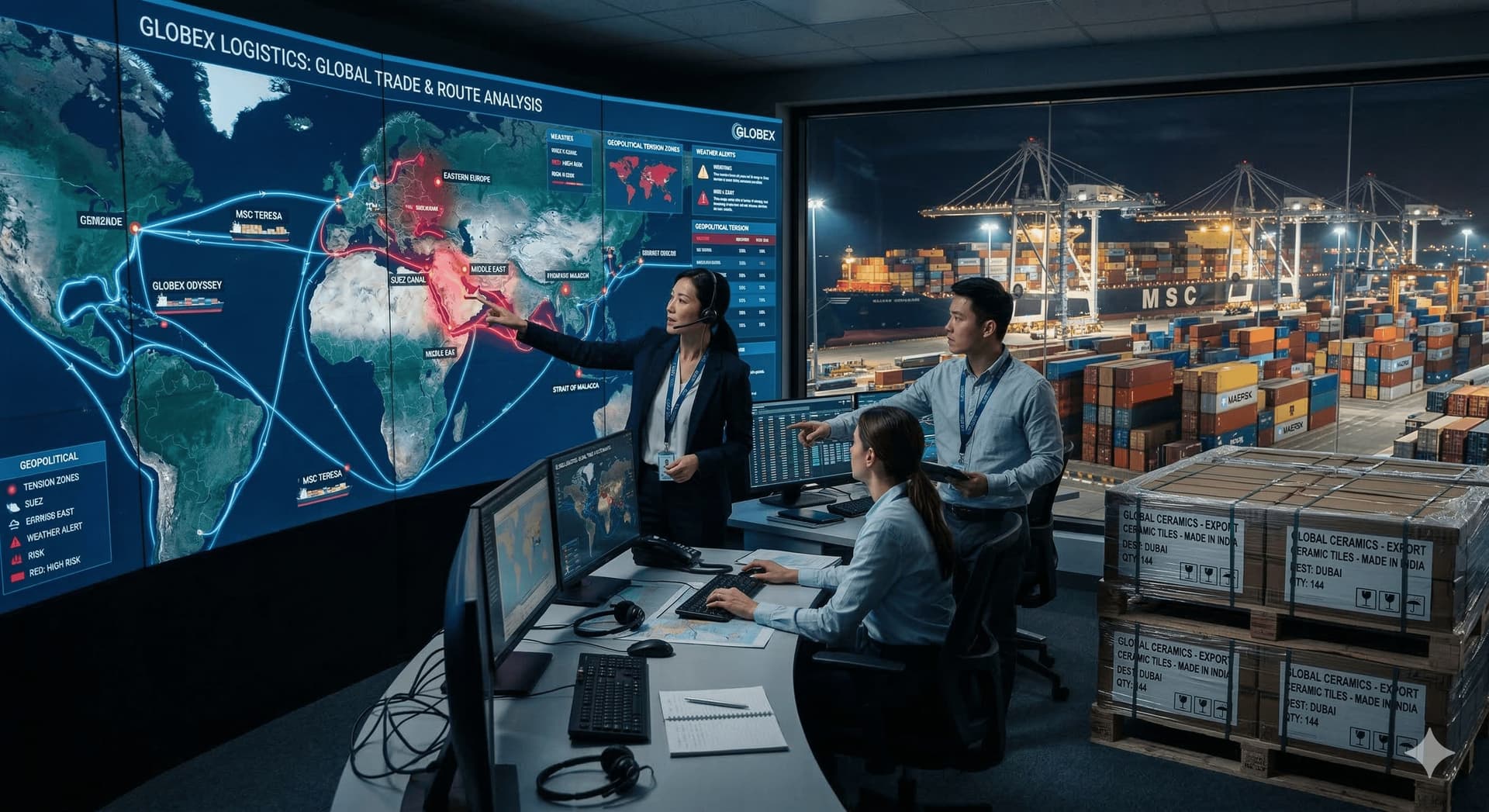
Global business rarely operates in calm waters for long. Trade wars, regional conflicts, sanctions, and energy shortages can quickly disrupt supply chains and create uncertainty across industries.
For sectors like ceramic tiles—where manufacturing, logistics, and exports are tightly linked to global trade—geopolitical tensions can directly affect production, pricing, and demand.
The real challenge for businesses is not avoiding instability, but learning how to survive and operate during it.
Understanding Geopolitical Risk in Business
Geopolitical tensions affect businesses through several channels such as:
- Energy supply disruption
- Shipping route instability
- Currency fluctuations
- Trade restrictions and sanctions
Annotation:
Geopolitical Risk refers to the possibility that political events between countries may affect economic activity and trade operations.
When these risks increase, companies that rely heavily on international supply chains face immediate pressure.
Diversify Markets Instead of Depending on One
One of the biggest mistakes businesses make is relying heavily on a single export market.
If political tensions affect that region, demand may suddenly disappear.
Smart companies spread their presence across multiple regions.
For example:
- Middle East
- Africa
- Southeast Asia
- Europe
This diversification ensures that even if one market slows down, others continue generating revenue.
Build Flexible Supply Chains
Rigid supply chains break during global instability.
Companies must create multiple sourcing and logistics options.
This includes:
- Working with multiple suppliers
- Using alternative shipping routes
- Keeping backup logistics partners
Annotation:
Supply Chain Diversification means sourcing materials and logistics from different regions to reduce risk.
Flexibility keeps production running even when one link fails.
Manage Energy Risk
Energy shortages are one of the most critical risks for manufacturing industries.
Businesses should explore options such as:
- Energy-efficient technologies
- Hybrid energy systems
- Long-term energy contracts
Reducing dependency on a single energy source improves resilience.
Strengthen Financial Stability
During geopolitical tension, markets often experience sudden changes.
Companies with weak financial planning may struggle to survive.
Key strategies include:
- Maintaining cash reserves
- Avoiding excessive debt
- Managing currency exposure
Annotation:
Currency Exposure refers to the risk of financial loss due to changes in exchange rates.
Strong financial discipline helps businesses absorb shocks.
Focus on Long-Term Relationships
During unstable periods, trust becomes extremely valuable.
Businesses that maintain strong relationships with:
- Distributors
- Importers
- Logistics partners
are more likely to sustain operations.
Reliable partnerships create stability even when markets fluctuate.
Adapt Product Strategy
Market demand may shift during global crises.
Businesses should adapt by:
- Offering cost-efficient products
- Adjusting product mix
- Targeting markets with stable demand
Companies that adapt quickly remain competitive.
Embrace Digital Tools
Digital platforms help businesses remain connected to global customers even during travel restrictions or disruptions.
Examples include:
- Online B2B marketplaces
- Virtual product catalogs
- Digital communication tools
Technology reduces dependence on physical interactions.
Final Thought
Geopolitical instability is not a temporary phenomenon—it is becoming a constant feature of the modern global economy.
Businesses that survive and grow during such times are those that focus on:
- Diversification
- Flexibility
- Financial discipline
- Strong relationships
In uncertain environments, resilience becomes the most valuable competitive advantage.
Companies that prepare for disruption do not just survive crises—they often emerge stronger.