How Payment Terms and Credit Risk Affect Tile Imports
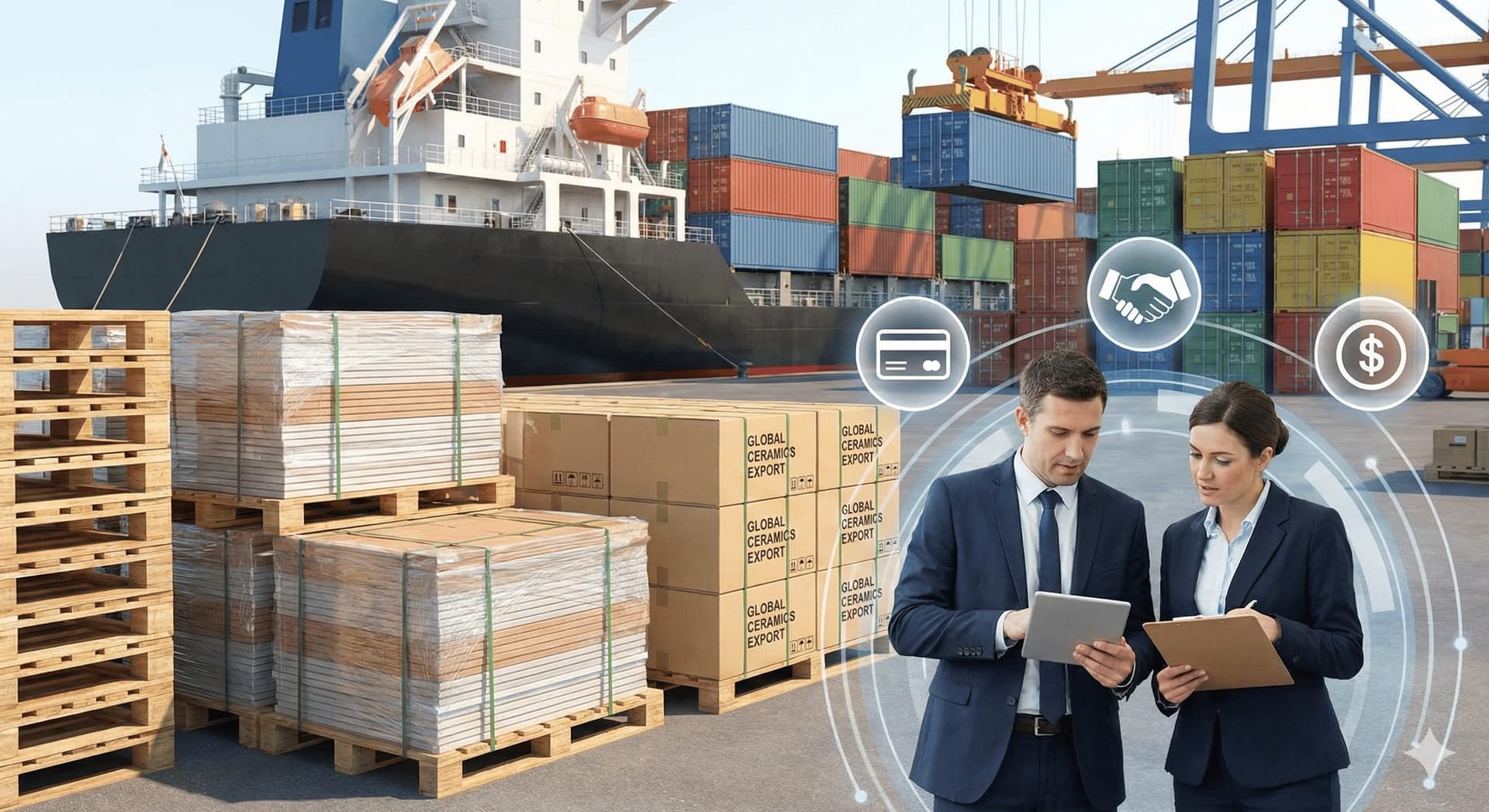
In tile imports, pricing gets attention—but payment terms decide survival.
Many profitable-looking shipments turn risky not because of quality or demand, but because cash is locked, payments are delayed, or credit risk is misjudged. Professional importers treat payment structure as a core part of sourcing strategy, not an afterthought.
This article explains how payment terms and credit risk shape tile imports, and how smart buyers protect margins while keeping supply chains healthy.
1. Common Payment Terms in Tile Imports
International tile trade typically operates on a few standard payment models:
- Advance Payment (100% or Partial)
- LC at Sight (Letter of Credit)
- Usance LC (30–90 days)
- Open Account / Credit Terms
Each option balances risk, cost, and cash flow differently.
Annotation:
There is no “best” payment term—only the right one for the buyer’s risk profile.
2. Advance Payments: Low Risk, High Cash Pressure
Advance payments reduce exporter risk but increase buyer exposure.
Pros
- Faster production start
- Often better pricing
- Simple documentation
Cons
- Capital locked before shipment
- Higher exposure if supplier underperforms
Advance payments work best with trusted, proven exporters.
3. Letters of Credit: Risk Control with Added Cost
LCs are widely used for first-time relationships and larger orders.
LC at Sight
- Payment released once documents are compliant
- Lower exporter risk
- Higher banking costs for buyers
Usance LC
- Deferred payment (30–90 days)
- Improves buyer cash flow
- Slightly higher exporter risk
Annotation:
LCs reduce risk—but they don’t eliminate it if documents are weak.
4. Open Account Terms: High Reward, High Risk
Under open account terms, goods are shipped before payment.
Why buyers like it
- Strong cash flow
- Inventory sold before payment
- Better working capital control
Why exporters fear it
- Payment delays
- Default risk
Open account works only when mutual trust and strong track records exist.
5. Credit Risk in Tile Imports: Where It Comes From
Credit risk doesn’t appear suddenly—it builds quietly.
Common causes include:
- Overextended buyers
- Slow market demand
- Project delays
- Currency fluctuations
- Weak distributor networks
Annotation:
Credit risk increases when optimism replaces discipline.
6. How Payment Terms Impact Pricing
Payment structure directly affects tile pricing.
Exporters factor in:
- Financing cost
- Payment delay risk
- Currency exposure
Longer credit usually means higher unit price—even if it’s not obvious.
7. Managing Credit Risk as an Importer
Professional buyers actively manage credit risk by:
- Starting with smaller trial orders
- Gradually increasing credit limits
- Aligning payment cycles with sales cycles
- Avoiding overstocking on credit
Annotation:
Credit should grow with performance—not promises.
8. Managing Credit Risk as an Exporter
Experienced exporters:
- Verify buyer credentials
- Set clear credit limits
- Use credit insurance where possible
- Diversify customer base
Strong exporters protect relationships without exposing their balance sheet.
9. Market Differences in Payment Behavior
Payment norms vary widely by region.
- Europe: Structured credit terms, strong documentation
- Middle East: Mix of LC and post-dated payments
- Africa: Flexible terms, higher credit sensitivity
- North America: Strong compliance, slower payment cycles
Annotation:
Ignoring regional payment culture creates friction and delays.
10. The Link Between Payment Terms and Long-Term Partnerships
Healthy payment structures build trust.
When buyers pay reliably:
- Exporters prioritize production
- Better terms become available
- Supply chains stabilize
When payments slip:
- Relationships strain
- Costs increase
- Supply reliability drops
Final Thought
In tile imports, payment terms are strategy.
They shape cash flow, pricing, trust, and long-term growth. Buyers who treat credit responsibly gain flexibility. Exporters who manage risk intelligently build durable partnerships.
Margins are earned on pricing.
Businesses are protected by payment discipline.
Conclusion
Successful tile imports balance opportunity with control. The right payment terms reduce risk without choking cash flow, while smart credit management prevents growth from turning into exposure. In global tile trade, stability is built on structured payments—not assumptions.