Common Mistakes Importers Make When Buying Ceramic Tiles
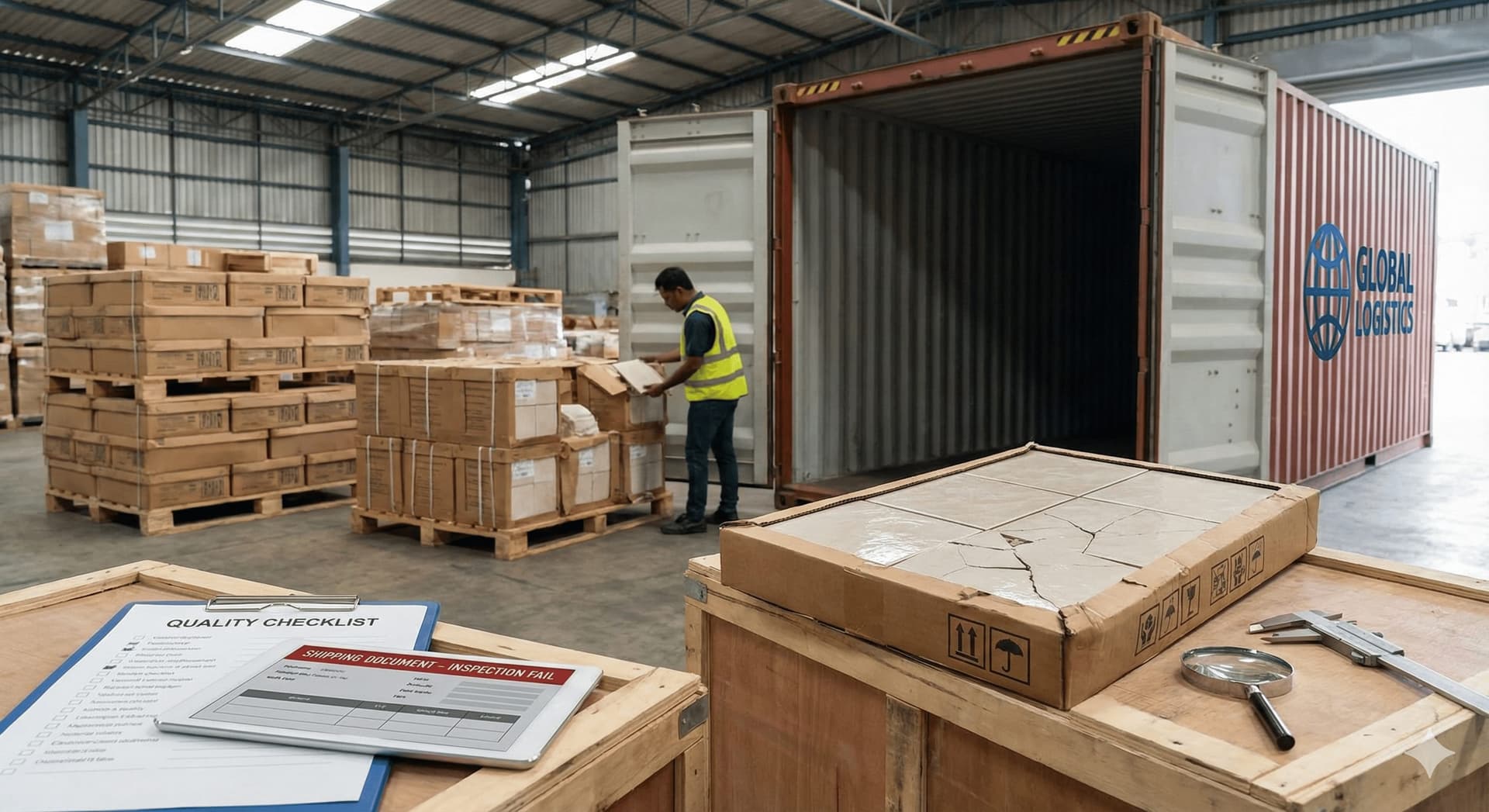
Common Mistakes Importers Make When Buying Ceramic Tiles
And How to Avoid Costly Errors in International Trade
Introduction
Ceramic tiles are among the most traded construction materials globally. They look simple—flat, shiny, rectangular—but behind every tile shipment lies a web of technical specifications, logistics decisions, quality checks, and compliance rules.
Many importers, especially those scaling fast or entering new markets, make avoidable mistakes while sourcing ceramic tiles internationally. These mistakes rarely show up immediately. They appear later—as breakage claims, unhappy customers, customs delays, or margins quietly bleeding away.
This blog explains the most common mistakes importers make when buying ceramic tiles, why they happen, and how to avoid them with a more professional, risk-aware approach.
1. Focusing Only on Price, Not Total Cost
The most common mistake is chasing the lowest per–square meter price.
A cheaper tile may look profitable on paper, but price is only one part of the cost structure. Importers often forget to calculate the hidden expenses that appear after shipment.
What gets ignored:
- Higher breakage during transit
- Weak packaging leading to damage
- Inconsistent thickness causing installation problems
- Replacement and claim costs
Annotation:
Total Landed Cost includes product price, freight, insurance, port charges, customs duties, warehousing, breakage loss, and after-sales claims. The cheapest tile frequently turns out to be the most expensive.
Best practice:
Compare suppliers using total landed cost per usable square meter, not invoice price alone.
2. Ignoring International Quality Standards
Not all ceramic tiles are manufactured to the same standards.
Tiles are tested for:
- Water absorption
- Breaking strength
- Surface abrasion resistance
- Chemical resistance
- Dimensional tolerance
Common mistake:
Importers accept verbal assurances instead of verified test reports.
Why it matters:
- Non-compliance with local building regulations
- Rejection by architects, developers, or government projects
- Loss of credibility with professional buyers
Annotation:
A third-party lab report is a compliance document, not marketing material.
Best practice:
Always request recent test reports aligned with your target market’s standards (ISO, EN, ASTM, or local norms).
3. Overlooking Shade and Caliber Consistency
This mistake damages reputation quietly but permanently.
Ceramic tiles are produced in batches. Small changes in kiln temperature, raw materials, or firing cycles can create variations in color (shade) and size (caliber).
Importer mistake:
Reordering without locking shade and caliber.
Consequences:
- Visible color differences after installation
- Customer complaints and project rejections
- Unsellable leftover inventory
Annotation:
Even a 1–2 mm size difference becomes obvious when tiles are laid across large surfaces.
Best practice:
Specify shade and caliber clearly on purchase orders and buy project quantities from the same batch.
4. Assuming Packaging Is “Standard”
Packaging is not an afterthought. It is a critical part of export quality.
Many importers fail to check:
- Box strength
- Tile separation materials
- Pallet quality
- Moisture protection
What goes wrong:
- Edge chipping
- Corner breakage
- Box collapse inside containers
Annotation:
Containers experience vibration, humidity, pressure changes, and multiple handling points.
Best practice:
Confirm export-grade packaging details and request loading and pallet photos before shipment.
5. Not Clarifying Tile Application (Wall vs Floor)
Tiles that look similar may have completely different technical properties.
Common mistake:
Buying tiles based on appearance instead of application.
Why this causes problems:
- Floor tiles require higher breaking strength
- Slip resistance differs by finish
- Wrong application leads to cracking or safety issues
Annotation:
Visual similarity does not mean functional suitability.
Best practice:
Always match tile specifications to their intended use—wall, floor, residential, or commercial.
6. Skipping Pre-Shipment Inspection
Many importers trust samples and past relationships and skip inspection.
Risks involved:
- Mixed shades in one container
- Incorrect quantities
- Packaging defects
- Quality deviations from approved samples
Annotation:
Inspection costs are minimal compared to the loss of a rejected or discounted container.
Best practice:
Use third-party inspection or detailed photo and video inspection before dispatch.
7. Poor Understanding of Logistics and Container Planning
Ceramic tiles are heavy, fragile, and space-sensitive.
Frequent mistakes:
- Exceeding container weight limits
- Inefficient box sizes
- Poor pallet configuration
Results:
- Higher freight cost per square meter
- Port penalties and delays
- Lower profit margins
Annotation:
Optimized container loading can improve margins without changing tile prices.
Best practice:
Work with suppliers experienced in export-oriented container optimization.
8. Ignoring Market-Specific Preferences
Tiles sell differently in different regions.
Examples:
- Glossy vs matte finishes
- Large-format vs small-format demand
- Color and texture preferences
Importer mistake:
Buying based on supplier trends instead of market demand.
Annotation:
What sells quickly in one country may move slowly in another.
Best practice:
Align tile selection with local architecture trends, climate, and buyer behavior.
9. Weak Purchase Documentation
Vague purchase orders invite disputes.
Common gaps:
- Missing tolerance ranges
- Unclear packaging standards
- No quality or penalty clauses
Annotation:
A purchase order is your legal and commercial protection.
Best practice:
Use detailed purchase orders with technical specifications and quality annexures.
10. Treating Tile Sourcing as a One-Time Transaction
This is a strategic mistake.
Short-term sourcing leads to:
- Inconsistent quality
- No priority during peak seasons
- Limited flexibility in production
Best practice:
Build long-term supplier partnerships focused on consistency, transparency, and mutual growth.
Conclusion
Ceramic tile importing is not just about buying products—it is about managing risk.
Most costly mistakes arise from assumptions, incomplete information, and short-term thinking. Importers who succeed are those who focus on systems, standards, and long-term value rather than quick wins.
In international trade, profits are protected not by luck, but by preparation.